



Determining The Origins of Your Pain
Are you tired of dealing with pain day in and day out? Have you been struggling with persistent pain for months or even years, and it’s taking a bigger and bigger toll on your life? For some people with pain, the simplest tasks are now major challenges, and over-the-counter and/or prescription pain meds don’t seem to provide any relief.
Unfortunately, this is a common experience for millions of Americans. Recent research has found that over 100 million people suffer from persistent pain each year. This is where Recovery Physical Therapy steps in.
At Recovery Physical Therapy, we understand that pain comes in various forms, affecting people in unique ways. We’re committed to staying at the forefront of the latest advancements in pain management, ensuring that our patients receive the best care possible.
We know that pain can be overwhelming, but we’re here to remind you that there is hope!
Understanding Different Types of Pain
Pain is a complex sensation, and it can be categorized into five main types, each with its own characteristics and underlying mechanisms. Here’s an explanation of these types:
- Nociceptive Pain: This type of pain results from the stimulation of specialized nerve sensors called nociceptors. Nociceptive pain is often described as sharp, aching, or throbbing and is typically localized. It can be acute, like when you accidentally bump your knee, or chronic, as seen in conditions like arthritis.
- Central Pain: Central pain arises from dysfunctions within the central nervous system (i.e., the brain and spinal cord). Central pain starts inside the central nervous system itself. Examples include fibromyalgia and pain associated with spinal cord injuries.
- Neuropathic Pain: This pain type is caused by nerve damage or dysfunction. It may manifest as burning, tingling, or shooting sensations. It is typically associated with conditions like diabetic neuropathy or nerve injuries (i.e., sciatica).
- Psychosocial Pain: Psychosocial pain involves mental and/or social factors influencing pain perception. Stress, anxiety, depression, and social support (or lack thereof) can significantly influence how pain is experienced. It is not directly tied to tissue damage but is due to mental and emotional states.
- Movement System Pain: This pain is directly related to the biomechanics of movement, such as issues with joint positions or control and/or muscle imbalances. Physical therapists often work with this type of pain, prescribing targeted exercises to correct movement dysfunctions contributing to the discomfort.
Regardless of the type of pain you’re dealing with, our therapists will work with you to identify and target the sources of your pain. We’ll use gentle techniques and exercises to address these issues and help you find relief.

Finding Relief From Pain With Physical Therapy
When you come to a physical therapy session at Recovery Physical Therapy, you’re taking a significant step towards finding relief from pain and improving your overall well-being. Your first session will typically begin with questions about your medical history, the specific nature of your pain, its location, and any factors that make it better or worse.
After discussing your medical history, your therapists will evaluate your posture, muscle strength, range of motion, and any areas of tenderness. They’ll also assess your movement patterns to identify any abnormalities or dysfunctions.
Based on the information gathered during the evaluation, your physical therapist will work to identify the underlying issue causing your pain. This may involve determining the type of pain (e.g., nociceptive, neuropathic, or movement system-related) and its primary sources.
Once your therapist has a clear understanding of your condition, they will create a personalized treatment plan tailored to your needs. Our treatments may include manual therapy techniques to release tension and improve joint mobility. Exercises are another crucial component, tailored to your specific needs and designed to correct any movement dysfunctions. Education plays a vital role in empowering you with the knowledge and tools to manage your pain effectively.
Patients are often fearful of making their condition worse. As a result, they often either do nothing or get so frustrated they ignore clear warning signs and push through. In either case, the result is more suffering. The key is to find a balance in the middle, where you do just enough to improve but not enough to make it worse.
At Recovery Physical Therapy our therapists will help you find that balance, guiding you through the steps you need to take to feel good again!
Get Started with PT Now!
Return to Recovery Physical Therapy and Let’s Continue Your Journey to Wellness Together. Schedule Your Appointment Now!

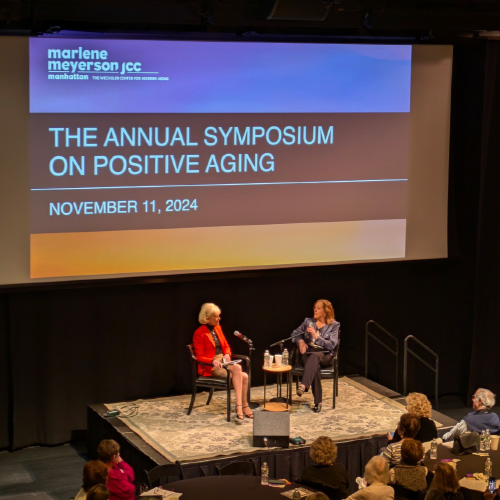
Celebrating the Symposium on Positive Aging
We are proud to have sponsored the Symposium on Positive Aging, marking our second year of supporting this event. This year’s symposium was a tremendous success, with over 200 attendees filling the auditorium to engage in inspiring discussions and meaningful connections.
The event was led by a dedicated committee of volunteer leaders and produced by The Wechsler Center for Modern Aging. Attendees had the opportunity to hear from journalist Lesley Stahl in conversation with author Abigail Pogrebin, followed by a movement session, music, and insightful workshops covering topics like friendship, family, health, and technology.
We are happy to be a part of such a powerful initiative and look forward to continuing our support in the years ahead.

With the hustle and bustle of the holidays, it is easy to skip your regular exercise routine or reach for some less-than-healthy treats. But don’t panic. Here are 9 Nutrition Tips for Christmas to help you stay focused, on track, and healthy this holiday season!
1: Don’t skip all of your favorite holiday treats; just consume smaller portions of them.
2: Offer to bring a favorite low-calorie dish to holiday parties so you can enjoy it.
3: Don’t try to lose weight during the holidays. Focus on weight maintenance.
4: Limit your intake of alcohol and other high calorie drinks such as eggnog and punch. Instead choose water, tea, or calorie-free beverages.
5: Make an effort to maintain your regular exercise program throughout the holidays.
6: Eat a small meal or snack before arriving at a holiday party. This will keep you from being overly hungry resulting in overeating.
7: Eat slowly! It takes your stomach 20 minutes to realize it is full.
8: Leave fresh fruit around the house to decrease the urge to pick on holiday sweets.
9: Make traditional holiday recipes with low-fat substitutions to decrease the calorie and fat content: substitute oil or butter with applesauce, use low-fat creams and milks, use herb to add flavor instead of fat.

Our Patients Get Great Results
“I’ve been coming to Recovery for a couple of years now and I highly recommend them. The staff is very knowledgeable and has made me feel well taken care of. I treated a shoulder injury with Carlo before surgery, as surgery prep, and post surgery. My shoulder rehab went smoothly, and a year after surgery and treatment it feels great!”
– A.F.
Thank You for Subscribing
to Recovery Physical Therapy
Exercise of the Month
Standing Waiter’s Bow with Weights
Start by standing up straight with your arms hanging by your sides and a dumbbell in one hand. Place your other hand on your lower back to monitor your muscle activation. Slowly hinge forward at your hips keeping your back flat until you are at the point where your back will round if you go any further. Allow your weighted arm to hang forward as you hinge. Slowly hinge back up. 3 sets, 10 reps, hold.