

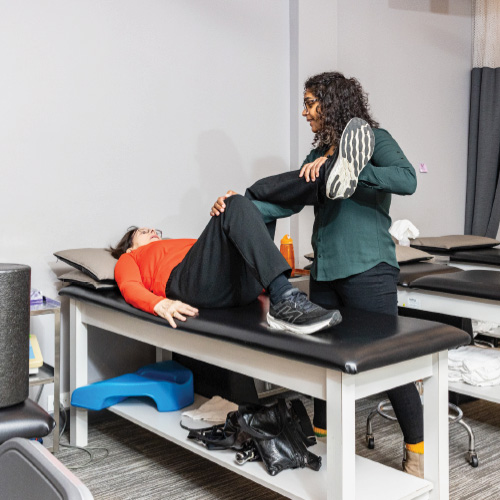
Find Relief from Osteoarthritis Pain
Are you experiencing persistent joint pain, particularly in a weight-bearing joint like your hip or knee? Do you ever notice a clicking or grinding sensation in your painful joint? If so, you may have developed osteoarthritis, the most common form of arthritis in the United States.
Arthritis is an umbrella term for over 100 conditions that cause joint inflammation and lead to pain and restricted mobility. The source of that inflammation will vary depending on the type of arthritis. Osteoarthritis is caused by the degeneration of the cartilage and bone tissue in the affected joint.
Osteoarthritis has no cure and can profoundly impact your overall quality of life, making it harder for you to stay active, keep up with chores, and enjoy time with your loved ones. Fortunately, physical therapy at Recovery Physical Therapy offers several tools and techniques to help you manage your symptoms — often enough that you can delay or even avoid surgical interventions.
If you’re tired of living with osteoarthritis pain, call us to schedule an appointment today!
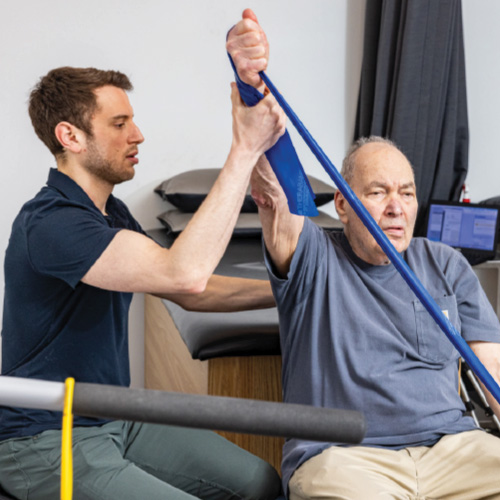
Understanding Osteoarthritis: Symptoms and Causes
The primary symptoms of osteoarthritis are pain and stiffness in the affected joint. These symptoms often manifest in the following ways:
- Pain during activity but not while at rest
- Pain when you press on the joint
- Joint stiffness first thing in the morning
- Joint stiffness after sitting or lying down for long periods
- Noises in the joint, including creaking, cracking, or crunching
While any joint can develop osteoarthritis, it most commonly occurs in weight-bearing joints like the knees and hips. However, it’s also fairly common in the hands, spine, and feet.
The causes of osteoarthritis are complex, and several factors can contribute to it. One of these factors is age: approximately 73% of people with the condition are 55 years or older. That’s not to say osteoarthritis is an inevitable part of the aging process — plenty of older people don’t have it. But your chances of developing it do increase as you age.
Other possible factors contributing to osteoarthritis include past injuries to the joint, gender (women are more likely to develop it than men), body weight, and even genetic predispositions.
How Physical Therapy Helps Manage Osteoarthritis Symptoms
The good news is that you can control osteoarthritis symptoms with the help of physical therapy. Although movement can be painful with osteoarthritis, exercise is one of the best drug-free ways to manage the condition. Our physical therapists will help you find an exercise program that suits your needs.
Here’s how we’ll do it:
Comprehensive Evaluation:
We start by evaluating how osteoarthritis impacts you, including performing simple tests to assess your strength, mobility, and/or balance. We’ll also ask you about the ways that osteoarthritis is negatively affecting your life. For example, which activities do you find challenging?
Provide Pain Relief:
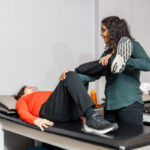
We’ll use manual therapy techniques to help manage your pain and get the joint moving in a gentle way. For example, we might guide the joint through its current range of motion or manipulate the surrounding soft tissue.
Build Strength and Restore Mobility:
We’ll develop a customized, progressive exercise program to rebuild lost strength and mobility in the affected joint. Building strength, in particular, can help support and protect the joint so you can move more easily.
Develop An At-Home Exercise Program:
You’ll supplement your sessions in our clinic with a personalized home workout program to ensure you keep moving! We’ll find something that suits your abilities and interests, such as a walking program or water aerobics.
Provide Strategies for Activity Modifications:
Finally, we can help you identify and avoid any specific activities that might put too much strain on your joints. If needed, we can also show you how to use mobility aids (such as canes or walkers).
Don’t Let Osteoarthritis Pain Hold You Back!
We know that living with osteoarthritis can be difficult, but the physical therapists at Recovery Physical Therapy are here to help you manage your condition and live your life to the fullest. With customized treatment plans, targeted exercise programs, and acute pain management techniques, physical therapy can help you take control of osteoarthritis pain.
Ready to get started? Call us to schedule your initial consultation today!

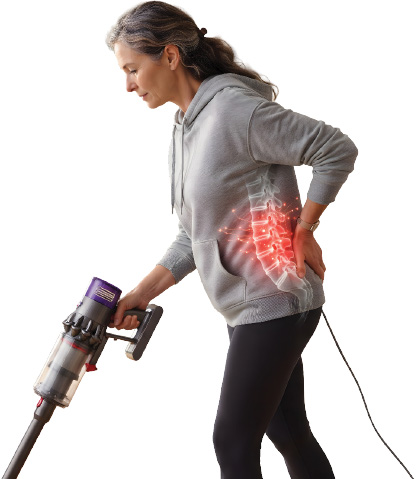
Get Started with PT Now!
Return to Recovery Physical Therapy and Let’s Continue Your Journey to Wellness Together. Schedule Your Appointment Now!
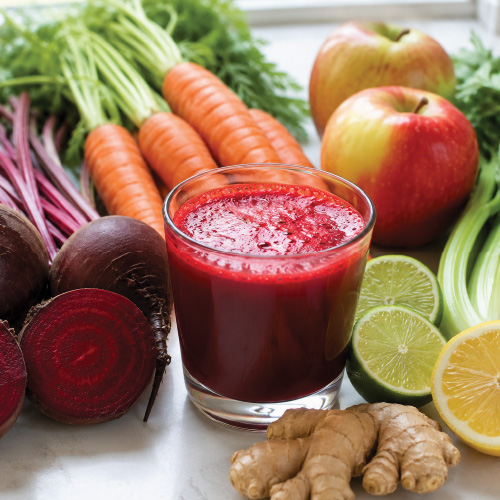
Enjoy This Healthy Recipe!
Miracle Red Juice
- 2 large beets
- 4 long carrots
- 2 apples
- 6 celery stalks
- 2 limes or lemons
- 2 inches of ginger
Strengthens:
- Immunity
- Eyes
- Liver
- Spleen
- Kidneys
- Pancreas
- Digestive Tract
Bright, refreshing, and packed with vibrant produce, this Miracle Red Juice is a delicious way to enjoy beets, carrots, apples, celery, citrus, and ginger in every sip. Blend up this colorful juice for a fresh, flavorful boost that’s perfect for starting your day or enjoying as an afternoon pick-me-up.
Directions:
Prepare beets, carrots, apples, celery, limes (or lemons) and ginger by chopping into smaller pieces before placing into a juicer. As the skin of a beet is packed with antioxidants and nutrients, it is recommended to leave the skin on the beet. Beet skin and lemon peel (if using) have strong flavors, so you could also prepare half with skin and half peeled to adjust to the flavor, or simply peel all if preferred. Apples can be any color or variety. Do not peel the ginger, which you will add to taste as ginger can be spicy. After all ingredients are added to the juicer, blend until juiced and smooth. Drink juice as soon as possible to obtain all benefits of the antioxidants and nutrients. Miracle Red Juice can be absorbed more easily on an empty stomach. Drink one glass every other day or as needed.


Between laptops, tablets, and old-fashioned textbooks, heavy backpacks are a reality for anyone starting school this fall (including the teachers!). Improper backpack usage can contribute to back pain, particularly in the upper back–but a few simple tips will help keep your kids pain-free this school year.
- Find a backpack that fits. Most kids choose backpacks for their coolness factor, not their size, but it’s important your child’s backpack is the right fit for them. A properly fitting (and properly filled) backpack should rest on the hips, not the shoulders.
- Don’t go too heavy. A backpack shouldn’t exceed 10% of your child’s body weight. Bust out the bathroom scale to ensure your child isn’t overloading their pack!
- Encourage good posture. Help your child find their ideal posture by asking them to lift their chest/sternum up toward the sky, which helps their spine settle into proper alignment.
Want more back-to-school backpack tips? Call Recovery Physical Therapy to schedule a personalized assessment to help identify any areas of weakness or impairment that might be contributing to backpack-related discomfort–and strategies for resolving them!
What Our Patients Are Saying
Real results. Real recovery. Real stories.
“I only have positive things to say about my experience at Recovery. The office staff is great, responsive, and friendly. My therapist was Tristha, who was always punctual and professional – she had great patient candor and helped me improve my condition in record time. I am now running pain-free, and I have the strengthening exercises I need to prevent injury, and I know how to treat it if there’s a flare-up. I’d highly recommend.”
Thank You for Subscribing
to Recovery Physical Therapy

Exercise of the Month
ERGONOMIC STRETCH
Sitting for long periods can leave your muscles feeling stiff and your joints tight, leading to aches and reduced mobility. Taking just a minute to do this simple ergonomic stretch at your desk can help relieve tension, improve circulation, and leave you feeling refreshed and ready to tackle the rest of your day.