


How to Find Relief for Foot Pain With PT This Spring
Have you ever experienced that sharp, stabbing pain in your foot that makes every step feel like a challenge? Or perhaps a dull, persistent ache that just won’t go away? Foot pain is a common complaint that can significantly impact your quality of life by limiting your ability to work, exercise, and even enjoy simple activities like walking or standing. Physical therapy offers effective, non-invasive solutions to alleviate foot pain, improve function, and get you back on your feet this spring.
Common Causes of Foot Pain
Understanding the root cause of your foot pain is an important part of finding effective treatment. Let’s explore five of the most common foot pain conditions.
Plantar Fasciitis
This condition involves degeneration of the plantar fascia, a thick band of tissue that runs along the bottom of your foot. It often causes heel pain, particularly in the morning or after periods of rest. Risk factors include obesity, high-arched feet, and activities that put excessive stress on the feet.
Metatarsalgia
This refers to pain in the ball of your foot, often caused by overuse, high-impact activities, or wearing ill-fitting shoes. Symptoms may include sharp or burning pain, numbness, or tingling in the toes.
Achilles Tendinitis
This condition involves inflammation of the Achilles tendon, which connects the calf muscles to the heel bone. It often causes pain and stiffness in the back of the ankle, especially during or after activity.
Foot Sprains
These injuries occur when the ligaments that support your foot joints are stretched or torn, typically due to a sudden twisting or rolling motion. Symptoms may include pain, swelling, bruising, and instability.
Arthritis
This degenerative joint disease can affect any joint in your foot, causing pain, stiffness, and limited range of motion. Risk factors include age, previous injuries, and family history.
Running To Foot Pain Relief
A woman in her 40s came to our clinic complaining of persistent heel pain that had been bothering her for several months. The pain was particularly intense in the morning, making it difficult for her to even get out of bed. After a thorough evaluation, our physical therapist diagnosed her with plantar fasciitis.
Her active lifestyle and love for running had put excessive stress on her feet, leading to plantar fasciitis. The pain had significantly impacted her life, forcing her to give up running and other activities she enjoyed.
We created a treatment plan that included a combination of pain management techniques, strengthening exercises, and a gradual return to activity.
Pain Management
Initially, we focused on reducing her pain and restoring mobility in the foot and calf through manual therapy techniques, proper recovery routines, and mobility exercises.
Strengthening Exercises
As her pain subsided, we introduced exercises to strengthen the muscles in her feet and calves for proper support and to reduce stress on the plantar fascia.
Return to Activity
We gradually reintroduced her running routine, starting with shorter distances and lower intensity. We also educated her on proper footwear, warm-up and cool-down routines, and injury prevention strategies.
Over the course of several weeks, she experienced significant improvement in her pain and function. Best of all, she was able to resume her running routine and other activities she enjoyed with minimal discomfort.

Find Foot Pain Relief At Recovery Physical Therapy
If you are struggling with foot pain, don’t let it hold you back any longer. Our experienced physical therapists will conduct a thorough evaluation to identify the root cause of your pain and develop a personalized treatment plan to address your specific needs and goals.
Call our clinic today to schedule an appointment and take the first step toward recovery.
Get Started with PT Now!
Return to Recovery Physical Therapy and Let’s Continue Your Journey to Wellness Together. Schedule Your Appointment Now!
Enjoy This Seasonal Recipe!
Spring Vegetable Tart
Ingredients
- 2 sheets puff pastry
- 1 egg, lightly beaten
- 5 oz vegetable dip
- 6 baby zucchini, halved lengthwise
- 3-4 yellow squash, thinly sliced with a mandoline
- 1 bunch asparagus, thinly sliced lengthwise with a mandoline
- 1 1/2 c goat cheese
- Extra virgin olive oil
- Balsamic vinegar glaze
- Mixed herbs, to serve
Directions: Preheat oven to 400°F. Line a large baking tray with baking paper. To make tart case, place pastry sheets side by side on the lined tray. Brush egg wash along the long edge of one sheet, then overlap with the other by 1” to create a large single sheet. Fold and pinch all four sides to make a 1” border, pushing down to seal. Brush border with egg wash. Using a fork, prick the base of the tart all over. Place in oven and bake for 20 minutes, until golden. Remove from oven and spread base of pastry with dip. Meanwhile, place vegetables in a large bowl. Pour boiling water over vegetables, steep for 1 min to blanch, then drain and pat dry with paper towel. Scatter vegetables over tart and crumble goat cheese on top. Drizzle with oil and vinegar glaze. Sprinkle with mixed herbs.

Have you been wanting to get into gardening, but don’t have the yard space? Consider planting a potted herb garden!
Container gardening is easy, convenient, and leaves you with a supply of beautiful fresh herbs. Almost any herb can be grown in a container, so the possibilities are endless!
Here are a few tips and tricks to ensure your potted herb garden is successful this spring:
1. Be mindful of what you plant.
One of the exciting things about a potted herb garden is that you can grow as many different types of herbs as you want in the same container. However, before you start planting, be sure to do some research on the sun, water, and soil requirements of each herb.
For example, rosemary prefers hot and dry conditions, whereas parsley requires consistent moisture. As a result, they would not get along in the same pot.
2. Choose the right container.
As long as it has good drainage, you can use almost anything as a herb container. However, it’s important to be aware that using smaller pots means you need to be extra cautious in how much you water your herbs. Too much or too little water can be especially detrimental to an herb in a small pot.
3. Use high quality soil.
The best way to ensure a healthy start to your container garden is by using high quality soil. Container soil should be lighter in density than traditional garden soil. You can also add organic matter, like perlite or peat moss, to the mixture to improve drainage and moisture retention.
We hope you’re feeling ready to get started on your potted herb garden this spring. Remember to have fun and good luck!

Our Patients Get Great Results
“Great, knowledgeable, and sometimes funny therapists. If you’re lucky like me you get to share the room with other people who will have you dying from laughter. Overall friendly experience. THUMB UP.”
– Tatyana K.
Thank You for Subscribing
to Recovery Physical Therapy
Exercise of the Month
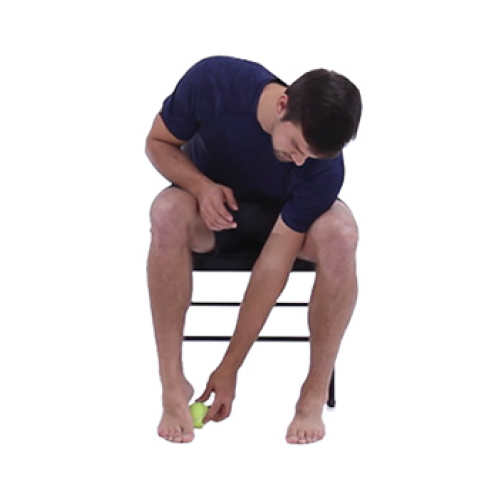
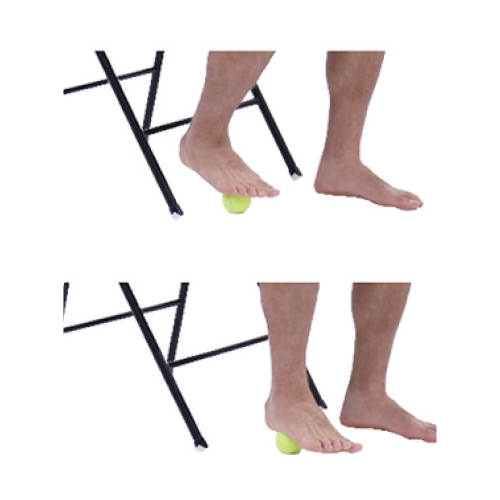
Foot Mobilization (Tennis Ball)
Start by sitting upright in a chair. Place a tennis ball under the foot you want to work just in front of your heel. Slowly roll your foot back so the tennis ball rolls up towards your toes and then roll your foot forwards so the ball goes back towards your heel. Make sure to keep pressure on your foot with the ball throughout the movement.