


Unfreeze Your Shoulder; Reclaim Your Active Life
How Physical Therapy Can Help You Manage Frozen Shoulder
We recently worked with a patient who came to us after struggling with shoulder pain for several months. While she hoped it would go away on its own, it only got worse over time. When she visited us, she was also struggling to lift her shoulder overhead or reach behind her back.
This patient had developed adhesive capsulitis, more commonly known as frozen shoulder. It gets that name from the fact that the condition causes the shoulder to “freeze up” after a period of intense pain.
A frozen shoulder will eventually “unfreeze,” but that process can take anywhere from 1-3 years. Fortunately, the team at Recovery Physical Therapy can help you manage your symptoms and facilitate a more efficient recovery.
What Causes Frozen Shoulder?
The condition develops when the capsule of connective tissue that wraps around your shoulder thickens and tightens, restricting the joint. However, researchers aren’t entirely clear why this happens. Certain factors can increase your risk:
- Being a woman between the age of 40 and 60 years old
- Having certain diseases, including diabetes, thyroid conditions, or cardiovascular disease
- Immobilizing your shoulder after an injury or surgery.
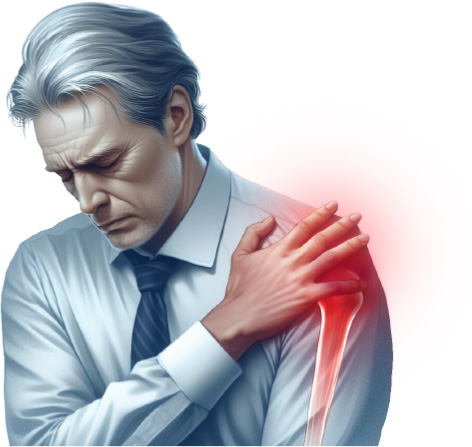
Understanding the Three Phases Of Frozen Shoulder
One reason frozen shoulder recovery can take so long is that the condition progresses through three distinct phases, each with its own set of symptoms and concerns. Here’s what you need to know about each one:
Freezing Phase
This initial stage is marked by increasing pain and stiffness in the shoulder. During this phase, we focus on maintaining your shoulder’s range of motion to help reduce stiffness and improve comfort.
Duration
Anywhere from six weeks to nine months
Symptoms
- A gradual onset of pain that worsens with movement
- Increased stiffness in the shoulder
- Pain is often worse at night, disrupting sleep
Frozen Phase
The frozen stage involves less pain but greater stiffness, significantly restricting your shoulder’s movement. We’ll focus on improving your shoulder’s mobility using stretching or manual therapy techniques.
Duration
Anywhere from four to six months
Symptoms
- Decreased pain compared to the freezing stage
- Significant stiffness and difficulty moving the shoulder
- Everyday movements like reaching overhead or behind the back become challenging
Thawing Phase
In the final stage, your pain decreases, and your shoulder’s range of motion gradually returns. However, it’s important to continue physical therapy to ensure you make a full recovery.
Duration
Anywhere from six months to two years
Symptoms
- Gradual improvement in mobility as scar tissue around the shoulder capsule begins to loosen and break down
- Pain continues to decrease
Physical Therapy and Frozen Shoulder: What You Need to Know
Physical therapy plays an essential role in helping you manage frozen shoulder symptoms at all three stages. Our team will work with you to develop a comprehensive treatment program, pulling from a range of different techniques based on your current symptoms:
Acute Pain Management
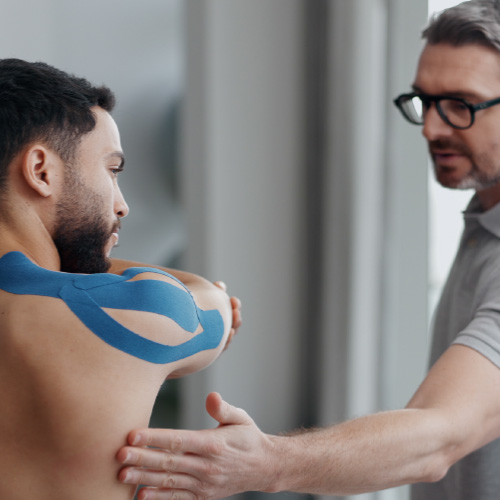
We’ll help you manage shoulder pain (especially in the freezing phase) with techniques such as dry needling, Kinesio taping, hot and cold therapy, and more.
Manual Therapy
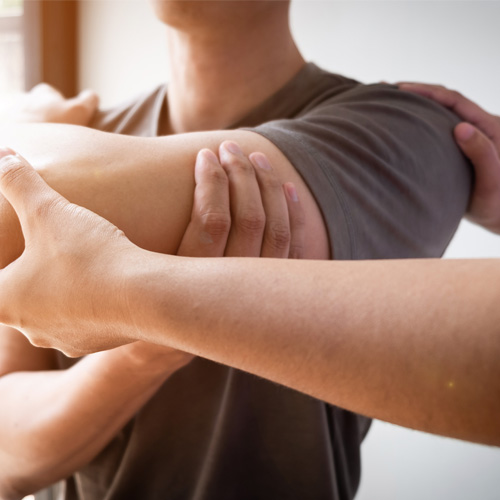
Various hands-on techniques can gently mobilize the shoulder joint, improve joint capsule movement, and reduce pain.
Mobility Exercises
Targeted exercises and techniques help improve your shoulder’s range of motion in all directions, gradually restoring your ability to reach, lift, and rotate your arm.
Strengthening Exercises
Strengthening the muscles surrounding the shoulder joint enhances stability and supports improved function.
Management Strategies
Understanding frozen shoulder is an integral part of managing it. We’ll help you navigate the difficulties of the condition, including identifying which stage you’re in and providing you with home exercises to help alleviate your symptoms.
Ready to Break Free From the Icy Grip of Frozen Shoulder?
If you suspect you have frozen shoulder, schedule an appointment at Recovery Physical Therapy. Physical therapy is essential for managing the condition in all three phases, and the earlier you can begin treatment, the better your outcomes will be. Our team is here to help you manage pain, restore mobility, and understand your shoulder’s movement patterns.
Don’t let frozen shoulder hold you back. Call us today to schedule your initial evaluation!

Get Started with PT Now!
Return to Recovery Physical Therapy and Let’s Continue Your Journey to Wellness Together. Schedule Your Appointment Now!

Fresh, light, and full of flavor, these Smoked Salmon, Avocado, and Cucumber Bites make the perfect refreshing snack or appetizer. With creamy avocado and savory salmon on crisp cucumber, they’re a delicious bite you’ll want to make again and again.
Enjoy This Healthy Recipe!
Smoked Salmon, Avocado and Cucumber Bites
- 1 medium cucumber
- 1 large avocado, peeled and pit removed
- 1/2 tbsp lime juice
- 6 oz smoked salmon
- chives, for garnish
- black pepper, for garnish
Slice the cucumber approximately 1/4-inch thick and lay flat on a serving plate. Add the avocado and lime juice to a bowl and use a fork to mash until creamy. Assemble the bites by spreading a small amount of avocado on each cucumber, then topping with a thin slice of smoked salmon. Garnish each bite with finely chopped chives and cracked black pepper. Serve immediately.


Try a New Outdoor Sport
As it begins to warm up, try picking up a new outdoor sport such as biking, rollerblading, hiking, golfing, fishing, or kayaking. These are all fun things you can do to get your blood pumping and introduce more physical activity into your routine after sitting at home for so many months!
Visit an Outdoor Farmers Market
If you love fresh and locally grown fruits and vegetables, a farmers market might be right up your alley! Visiting an outdoor farmers market gives you a chance to get some fresh air and hand-select the best produce, jams, preserves, and jellies for you to take home to try.
Go See a Drive-In Movie
This is a great spring activity, especially because you can roll down your windows and enjoy a nice breeze as you watch on the big screen. You could even invite people outside of your household to park their car near yours so you can watch it together.
Break Out the Gardening Tools
Do you love gardening and growing your vegetables, herbs, and flowers? If so, spring is calling your name! It’s time to roll up your sleeves and get your knees dirty in the backyard. Gardening is a great spring activity that provides some physical activity, and an excuse to get fresh air. Make sure to start with great soil and research the types of flowers and foods that grow the best in your climate.
Take a Scenic Drive
So many parts of nature come back to life in the spring, so why not take a scenic drive now and then to get out of the house? Try getting off the interstate and going the long way around to see some trees, fields, or parks – just make sure you have a GPS or know how to get home safely!
Make the Most of this Spring
We all deserve to enjoy spring for what it is: a new beginning. Try some of these fun activities to add a bit of joy to your daily routine!
Our Patients Get Great Results
“Had a great experience here that got me back on my feet, literally. JB is a great therapist and the staff is kind, thoughtful, and accommodating. Highly recommend!!”
– Kathryn R.
Thank You for Subscribing
to Recovery Physical Therapy

May Word Scramble
edaldnnoi
nhiigfs
uuasrt
prsnig
eskbta
lveendar
Answer Key
dandelion
fishing
taurus
spring
basket
lavender
Exercise of the Month
PRONE ARM REACH BACK
Lie face down on an exercise table with your upper chest supported and both arms hanging straight down off the sides, holding a light weight in each hand. With palms facing in, slowly raise your arms backward toward your hips in a sweeping motion, keeping them close to your body. Squeeze your shoulder blades together at the top, then lower your arms back down with control.
3 Sets, 10 Reps. (Materials needed: exercise table, light weights)