



How To Find Relief From Sciatica
Frank’s pain was the worst he’d ever felt. It started in his lower back but then radiated down the back of his leg all the way to his toes. Sometimes, he felt numbness or tingling in his leg, which he found especially concerning. But worst of all, this radiating pain made it almost impossible for him to get around.
Eventually, Frank visited his physical therapist, where he learned this pain had a specific term: sciatica. Its name comes from the fact that it affects the sciatic nerve, which runs from the lower back down into the foot.
Frank also learned that his sciatica, like most people’s, came courtesy of a herniated disc in his lumbar spine. Fortunately, physical therapy is a frontline treatment for herniated discs, and with a month of regular PT sessions, Frank resolved his pain.
Are you experiencing radiating leg pain like Frank? If so, reach out to us at Recovery Physical Therapy. We can help you know for certain if your pain is sciatica or another similar condition — and we can help you find relief with a customized treatment plan.
Call today to schedule your initial consultation!
What Is Sciatica? Symptoms and Causes
Sciatica is a somewhat misunderstood condition. Many people refer to any radiating pain in the back and legs as “sciatica.” In reality, sciatica only refers to pain that stems from pressure or irritation on the sciatic nerve.
Sciatica’s main symptom is pain that starts in the lower back, radiates into the buttocks, and then runs down the back of one leg into the foot, following the path of the affected sciatic nerve. Often, the leg pain will be worse than the back pain.
However, other symptoms often indicate sciatica, including the following:
- Muscle spasms in the back
- “Pins and needles” sensations in the leg and/or foot
- Numbness in the leg and/or foot
- Shooting or burning pain deep in the buttocks or legs
- Weakness in the affected leg
Sciatica occurs when the sciatic nerve is pinched, compressed, or irritated in some way. But what causes that nerve irritation in the first place?
For most people, as it was for Frank, the answer is a herniated disc. Your spinal vertebrae are cushioned and protected by flexible cartilage discs (spinal discs). If one of these discs bulges or ruptures so that it irritates or pinches the sciatic nerve, you’ll experience sciatica pain.
Other medical issues (such as a bone spur, inflammation related to pregnancy, or a tumor) can also cause sciatica, but these conditions are much more rare. If you have sciatica, the chances are good you have a herniated disc, and that’s something physical therapy can help resolve!
How Physical Therapy Can Help With Sciatic Pain
When treating a herniated disc (and, by extension, sciatica), our therapists will move through the following steps:
- Manage Pain: We’ll develop a plan to address your acute pain, pulling from several options. Gentle spinal mobilizations, soft tissue manipulation of your back muscles, and pain-relieving modalities such as TENS or hot and cold therapy can all help.
- Improve Mobility: Movement is crucial in addressing sciatica. Spinal mobilizations play an essential role here, allowing you to move the joint without exerting effort. We’ll also incorporate active stretches and mobility work to help ease range of motion restrictions and prepare your body for the next phase of treatment.
- Strengthen Your Back and Core: As your pain lessens, we’ll begin working to build strength in your core muscles, which stabilize and support your spine. By strengthening these muscles, you can alleviate the pressure on your lumbar spine that contributes to sciatic pain and a herniated disc.
- Educate to Prevent Future Pain: Finally, we can provide the tools to prevent a future bout of sciatica. We might help you develop a home exercise program to keep your spine healthy or show you how to properly lift heavy objects to avoid injury.
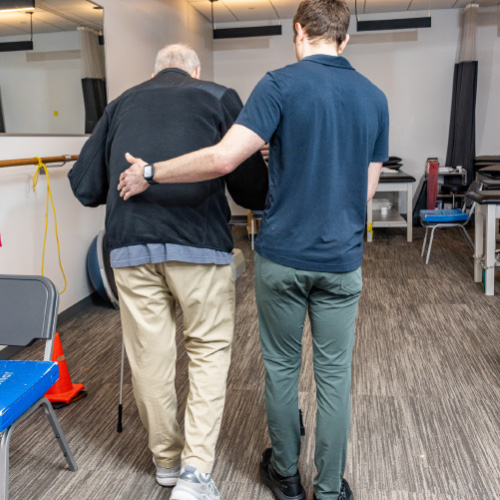
Find Sciatica Relief at Recovery Physical Therapy
Sciatic pain can be incredibly intense and often debilitating. Regular physical therapy will help you resolve that pain — and the underlying cause — so you can get back to living a full, healthy life.
To get started with your own personalized sciatica treatment plan, call to schedule an appointment today!
Get Started with PT Now!
Return to Recovery Physical Therapy and Let’s Continue Your Journey to Wellness Together. Schedule Your Appointment Now!
Enjoy This Seasonal Recipe!
Summer Minted Couscous Salad
Cool, fresh, and bursting with flavor, this Summer Minted Couscous Salad is the perfect light dish for warm days. With bright herbs, crisp veggies, and a zesty finish, it’s a refreshing addition to any summer meal or picnic.
Ingredients
- 1 cup dry couscous
- 1 cup jarred roasted red peppers
- 2 tbsp olive oil
- Juice from 1/2 lemon
- 1 tomato, seeded and diced
- 1 English cucumber, diced
- 1/2 cup mint (or flat-leaf parsley)
- Salt and pepper
Cook the couscous according to package directions. Fluff with fork. Meanwhile, dice roasted red peppers and add diced tomato and cucumber to a bowl. Add lemon juice and olive oil and stir to combine. Finely chop mint (or parsley) and add to bowl, along with the cooked couscous, and toss to combine. Season with salt and pepper to taste. Enjoy!

Summer weekends at the beach, backyard barbecues, and outdoor dinners are finally here, but these gatherings are often loaded with high-calorie pasta salads, chips, ice cream, cocktails and beers. Enjoy your warm weather favorites while keeping your nutrition in check with the tips below.
1. Drink green tea instead of sweet tea. Green tea has a natural component that helps speed up your metabolism. Skip the box tea and opt for the brew-it-yourself with boiling water and a tea-bag-type tea.
2. Serve seafood. Summer is the ideal time to get the freshest catch from your local grocer. Grill salmon, tuna, lobster, steamer clams, and calamari for a low-calorie, protein-packed lunch or dinner.
3. Don’t skip breakfast. When you wake up in the morning, your body is running on fumes. Eating a breakfast with protein, carbs, and healthy fat kicks your metabolism into high gear and provides energy for the day.
4. Enjoy summer fruits and veggies. It’s easy to sink into a vegetable rut, eating the same boring veggies week after week, but with summer comes fresh choices. Including a mix of in-season colorful veggies in your meals gives your body a nutrient kick.
5. Snack at work. Bring snacks to work and graze throughout the day. When you eat more often—five to six times per day—you’re far less likely to overeat and more likely to stay energized.
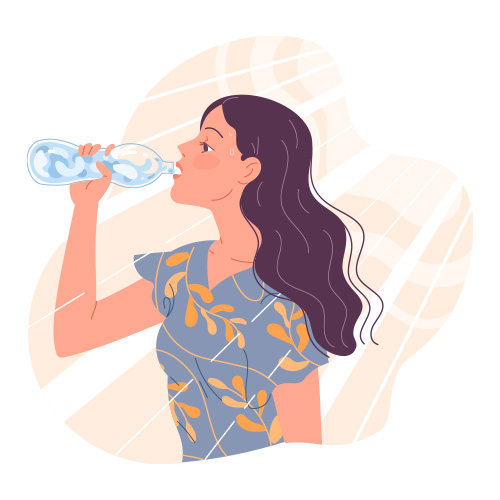
6. Hydrate often. The summer heat makes you more susceptible to dehydration. Start off your day by drinking two glasses of water and keep drinking at each meal, as well as before and after your workout, to stay hydrated. Carry a water bottle with you as a reminder to stay hydrated.
7. Recover with a post-workout shake. After exercising, blend your favorite summer fruits and a scoop of whey protein into a shake to kickstart the muscle-building process, help your body recover from training, and boost your energy levels.
8. Pre-plan your meals. You plan your weekend getaways and activities for summer. Why not your meals? Make it easy by preparing all of your food on Sunday so that you have enough meals for the week. The best part: You’ll save money.
Our Patients Get Great Results
“I spent a few weeks at Recovery. Not only did my condition improve, but I actually enjoyed the PT! The Recovery staff struck the perfect balance between professionalism and warmth. It was a pleasure to be treated by such an energetic and friendly group.”
– Emil T.
Thank You for Subscribing
to Recovery Physical Therapy
August Word Scramble
laatrioenx
kbaracyd
mrmesu
aicgmnp
aryopunldg
fosrnwlue
Answer Key
relaxation
backyard
summer
camping
playground
sunflower
Exercise of the Month
Prone Hip Extension
Lie face down with your legs straight. Tighten your core and lift one leg off the ground without bending the knee, then lower slowly. Alternate legs to strengthen your glutes and lower back.