


Does Stress Cause Neck Pain?
Does stress cause neck pain? The short answer is no! At Recovery Physical Therapy, we like to say “contributes to” instead of “cause.” The casual way healthcare professionals throw around terms can lead to confusion and, worse still, ineffective treatment. Fortunately, our highly skilled therapists know how to dig deep and find the root cause of your neck pain, and this information helps you find relief!
Let’s discuss Nicole, a 40-something-year-old working mother of three. Nicole was used to being very active, balancing her work schedule with getting her kids to all the various activities and school functions that come with being a mom nowadays.
Her neck pain first started as a crick in the neck when she woke up one morning. As the day progressed from driving her kids around to sitting at her desk, she noticed turning her head became more difficult and painful, making focusing on work nearly impossible.
Nicole struggled to figure out why her neck started hurting and came to the conclusion that stress “must be” the culprit. The more pain and difficulty moving she had, the more convinced she was that stress was to blame.

Understanding Nicole’s Neck Pain
One of the most common things we hear from our patients is that their pain started for “no apparent reason.” Like Nicole, people will wake up with a crick in their neck or notice a stiffness turning when driving in the car. It is also common for people to notice tightness in their upper back and neck after a long day.
So, what is actually the source of the pain? In most cases, there is an issue with the neck joints or the neck muscles due to prolonged positions. Our neck joints don’t like remaining in any position for extended periods. In Nicole’s case, she first noticed her pain in the morning, which may have been related to her neck position while sleeping. It is also important to note that in Nicole’s case, the first sign of any issue was in the morning when she woke up, unrelated to stress.
As Nicole’s day progressed, her pain got worse. But this also was more likely related to how she held her neck while driving or sitting at her computer. In both cases, her posture, specifically how she held her neck, seems to have contributed to her pain. Prolonged sitting can lead to a forward head position, resulting in tension to soft tissue (i.e., muscles, tendons, and ligaments) or negative changes to our blood flow.
The muscles of our neck function best when we move them. So, holding her head in one position likely led to irritation of the muscles and affected her ability to move her neck, which in turn caused stress.
Stress “contributes” to neck pain because, when we experience stress, our bodies naturally respond by tensing up as a protective measure. This tension can lead to discomfort, particularly in the neck and upper back region. Research studies have found that individuals with higher stress levels reported increased neck pain as compared to those with lower stress levels. This is why we say “contributes” to, but not the cause of, neck pain.
How Physical Therapy Can Help Alleviate Neck Pain
We will target the source of your pain by performing a thorough examination, starting with your medical history and details about how, when, and where your symptoms began. As we saw with Nicole, determining how, when, and why the pain started helps us eliminate possibilities and get to the actual root cause(s).
Our therapists will also analyze your posture and movement to identify any limitations or restrictions contributing to your condition. We’ll use this information to design a program that addresses your specific needs.
Our treatment plans focus on relieving your pain and improving your posture, mobility, strength, etc., and educating you about managing your symptoms. Your program will likely include manual therapy (i.e., soft tissue work and/or joint mobilizations), targeted stretches, exercises, activity modification, or posture recommendations.
We’ll listen to your unique situation and specific issues and then work to help you find relief and get back to your normal routine. Give us a call!
Book Your Appointment Today!
If you’re dealing with neck pain or looking for someone to help you figure out what is causing your issues, call us today and set up a consultation!
Get Started with PT Now!
Return to Recovery Physical Therapy and Let’s Continue Your Journey to Wellness Together. Schedule Your Appointment Now!
Feel Better by Eating Better!
Oatmeal Pancakes With Cinnamon Apples
Ingredients
- 1 1⁄2 cups buttermilk
- 3⁄4 cup instant rolled oats
- 3⁄4 cup whole wheat flour
- 2 Tbsp milk
- 1 Tbsp melted butter
- 1 1⁄2 tsp baking powder
- 1⁄2 tsp baking soda
- Pinch of cinnamon (plus 1⁄8 tsp for the apples) Pinch of nutmeg
- 1 Granny Smith apple, peeled, cored, and chopped
- 1⁄2 cup apple juice
- 2 Tbsp brown sugar
- Butter or cooking spray
Directions:
In a large mixing bowl, combine the buttermilk, oats, flour, milk, butter, baking powder, baking soda, pinch of cinnamon, and nutmeg. Stir to gently combine, then set aside to rest for a few minutes. Combine the apple, apple juice, brown sugar, and remaining 1⁄8 teaspoon cinnamon in a small saucepan and bring to a simmer. Cook until the apple has softened and the liquid has thickened. Preheat the oven to 200°F. Heat a large nonstick or cast-iron skillet over medium heat. Adding a bit of butter/cooking spray before each round, scoop 1⁄4-cup portions of batter into the skillet and use a spatula to spread into thin, even circles. Cook 2 to 3 minutes, then flip and cook for another 2 minutes. Keep pancakes warm in the oven while you finish cooking. Serve topped with the warm apples.

What do you think of when you hear the word fall? Crisp refreshing days? Bonfires and changing leaves? Pumpkin carving? What if you were to focus on your nutrition this fall?
The food we eat has a significant impact on several elements of our health, particularly our heart health. Obesity, weight gain, physical inactivity, stress, high blood pressure, and high cholesterol all increase the risk of heart disease and other cancers.
Considering the importance of nutrition, it’s never the wrong time to think critically about your diet. At Recovery Physical Therapy, we know that fall can be busy, which is why we want to give you a few simple tips on how to improve your nutrition this season.
1. Try to eat more root vegetables
The majority of root vegetables are available all year, but they are most ripe from fall to spring. During the cooler months, garlic, onions, ginger, turnips, carrots, sweet potatoes, beets, and parsnips provide plenty of flavor and nutrients.
Many root vegetables are high in folate, which is essential for cell growth and metabolism!
2. Make a hearty soup
Making a large pot of soup every weekend is a great way to improve your nutrition throughout the week. Soups, while they can take several hours to cook, usually require very little active time.
When it comes to recipes to try, your options are virtually endless. There’s hearty bean soup, pureed root vegetable soup, winter squash soup, traditional chicken noodle soup, chili, and so much more! And with temperatures dropping, what tastes better than a warm stew?
3. Select leaner sources of protein
Did you know that regularly eating red meat and processed meat can raise the risk of type 2 diabetes, coronary heart disease, stroke and certain cancers?
So, instead of opting for red meat, select leaner sources of protein for your meals and recipes. This can include chicken, turkey, beans, lentils, low fat yogurt, fish, tofu, and nuts.
If you think you need a little more help developing a healthy diet this fall, contact Recovery Physical Therapy today. We can help you develop an exercise and nutrition plan that works for your needs.
Our Patients Get Great Results
“I could not recommend Recovery Physical Therapy more! Before I found Recovery Physical Therapy, I had been having nagging low back and shoulder problems that none of the other physical therapists I had visited could remedy. They were the only place to properly diagnose and help me heal my injuries, which was a huge relief. Not only is the staff extremely knowledgeable and helpful, they are also friendly, sympathetic, and available. They are the best!”
– M.R.
Thank you for subscribing
to Recovery Physical Therapy
Exercise of the Month
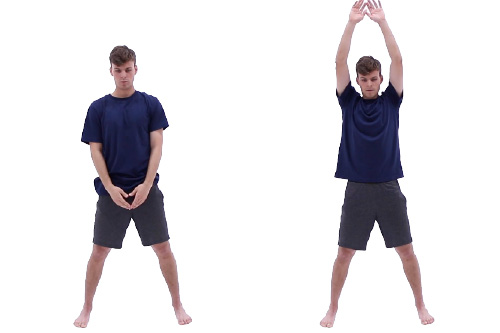
Deep Breathing Arms Overhead
Start by standing up straight with your feet spread apart and your arms hanging in front of you. Slowly raise your arms straight out to the sides and up over your head as you inhale through your nose. Slowly exhale through your mouth as you lower your arms back down. 5 reps.