
What Patients Considering Knee Replacement Should Know About Physical Therapy First
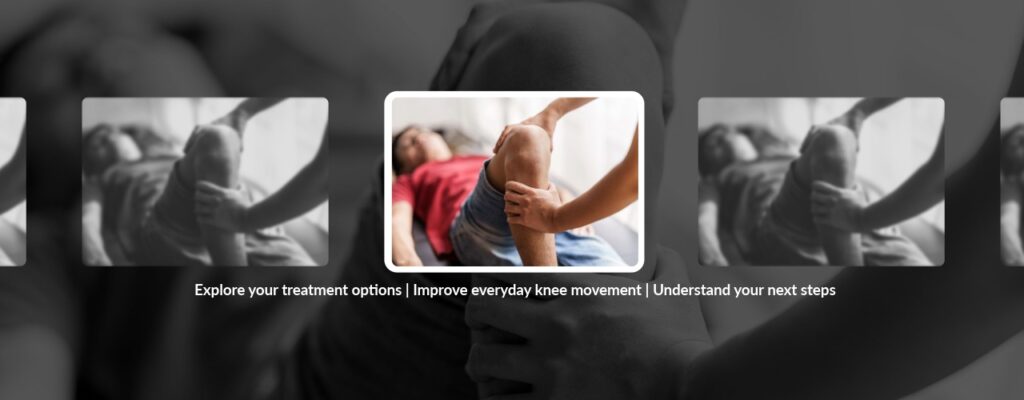
Hearing that you may need knee replacement surgery can feel overwhelming. You may wonder if surgery is your only option or if there is something you can try first. For many people, knee replacement alternatives physical therapy can help reduce pain, improve movement, and make everyday activities easier before deciding whether surgery is the right choice.
Identifying Common Physical Risk Factors
Knee pain usually develops over time. Years of walking, working, playing sports, or previous injuries can slowly wear down the joint. Other factors that may increase stress on the knee include:
- Weak leg or hip muscles
- Poor balance
- Limited knee movement
- Carrying extra weight
- Changes in the way you walk because of pain
These changes often happen little by little, making them easy to overlook.
Subtle Movement Shifts You Shouldn’t Ignore
Your body often gives you warning signs before knee pain becomes severe. You may notice that you:
- Hold onto the railing when using stairs.
- Stand more on one leg than the other.
- Avoid squatting or kneeling.
- Walk shorter distances than you used to.
- Feel stiff after sitting for a while.
Many people assume these changes are simply part of getting older. In reality, they may be signs that your knee is not moving or supporting your body as well as it should.
Addressing Knee Issues with Physical Therapy
Before recommending treatment, your physical therapist will complete a thorough evaluation. Your therapist may assess:
- How well your knee bends and straightens
- Strength in your hips and legs
- Your balance while standing and walking
- How you move during everyday activities like sitting, standing, and climbing stairs
This information helps identify what is contributing to your symptoms and guides your treatment plan.
Everyday Ways Physical Therapy Can Serve as a Knee Replacement Alternative
Physical therapy focuses on helping your knee work better during everyday life. Many people find that simple changes can improve comfort and confidence.
Stay Active With Low-Impact Exercise
- Activities like walking, cycling, or exercising in a pool help keep the knee moving without placing too much stress on the joint.
Build Strength Around the Knee
- Stronger muscles in your thighs, hips, and core help support the knee and reduce pressure on the joint.
Improve Balance
- Better balance helps you move more confidently and may lower your risk of falling.
Make Small Changes at Home
- Simple adjustments, such as using a chair that is easier to stand up from or wearing supportive shoes, can make daily activities more comfortable.
Keep Moving Throughout the Day
- Changing positions often and avoiding long periods of sitting can help reduce stiffness.
For many people, knee replacement alternatives physical therapy provides an opportunity to improve daily function and delay, or in some cases avoid, surgery.
Transitioning From Prevention to Active Care
If knee replacement alternatives physical therapy is the right choice for you, your treatment plan will be built around your goals. Your care may include:
- Hands-on treatment to improve movement
- Strengthening exercises
- Balance training
- Walking and stair training
- Education about protecting your joints during daily activities
As you improve, your program changes with you. Throughout knee replacement alternatives physical therapy, the goal is to help you move more comfortably and return to the activities that matter most.
Knowing When to Partner With a Professional
If knee pain is making it difficult to walk, climb stairs, shop, exercise, or enjoy your daily routine, it is time to seek professional help. Starting treatment early may help improve your mobility and give you a clearer understanding of your treatment options.
At Recovery Physical Therapy, your first visit is a relaxed conversation about your symptoms, your goals, and how your knee affects your daily life. After a thorough evaluation, we will create a personalized plan to help you move with greater comfort and confidence.
Contact Recovery Physical Therapy today to schedule your evaluation!